Mekina Technical Services
Technical Services Specialist
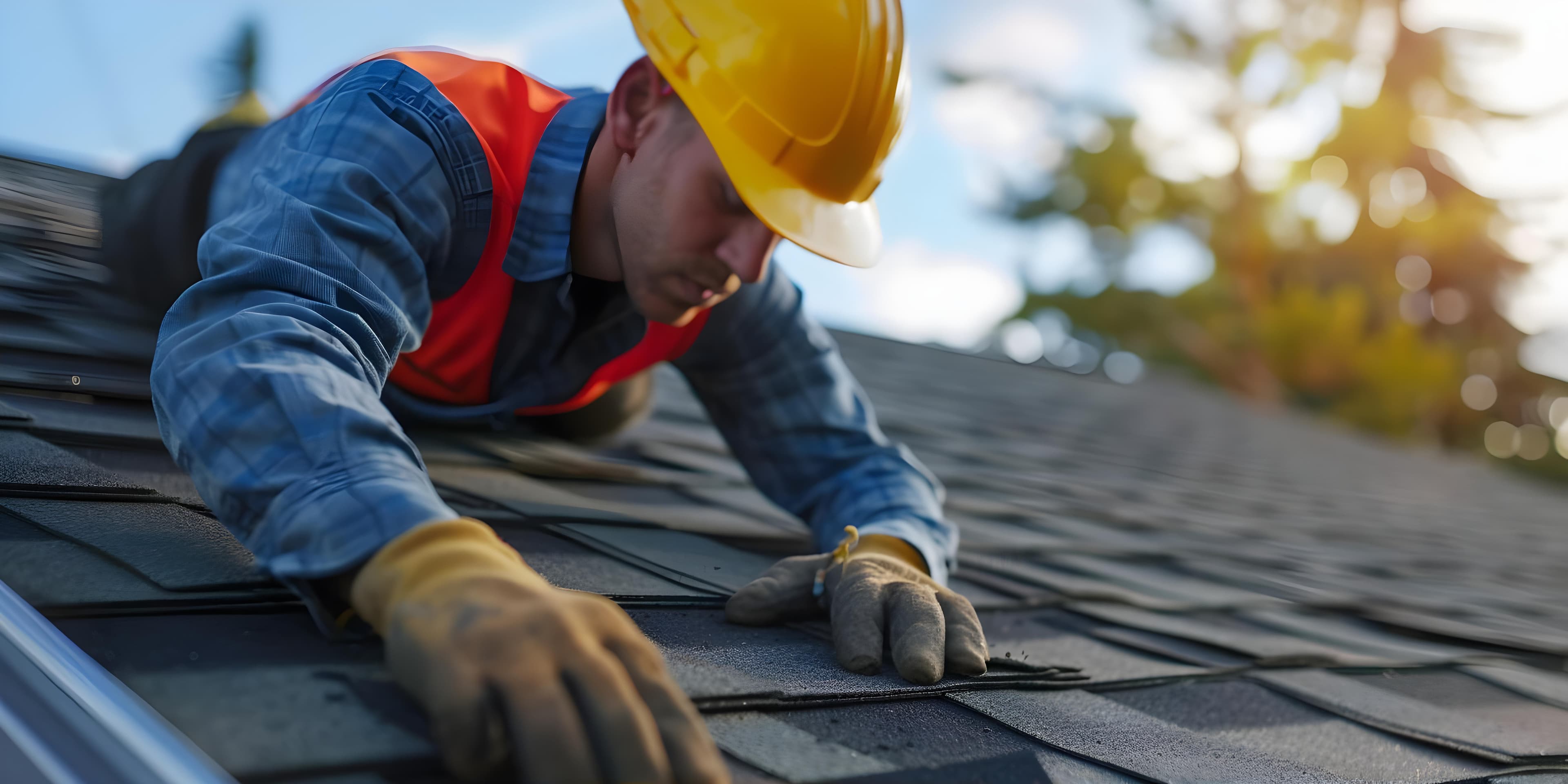
Most property owners in Dubai do not think about waterproofing until water is dripping from the ceiling. By that point, the damage has already happened. The leak you see is never the problem — it is the result of a problem that started weeks or months earlier, usually from a crack or joint failure in the roof or external walls.
Dubai's climate is one of the most punishing in the world for building materials. Summer heat above 45°C causes concrete to expand and contract daily. UV radiation degrades surface coatings faster than anywhere in Europe. And when the rare but intense winter rains hit, any weak point in your building envelope will show up immediately and expensively.
What types of waterproofing are most common in Dubai?
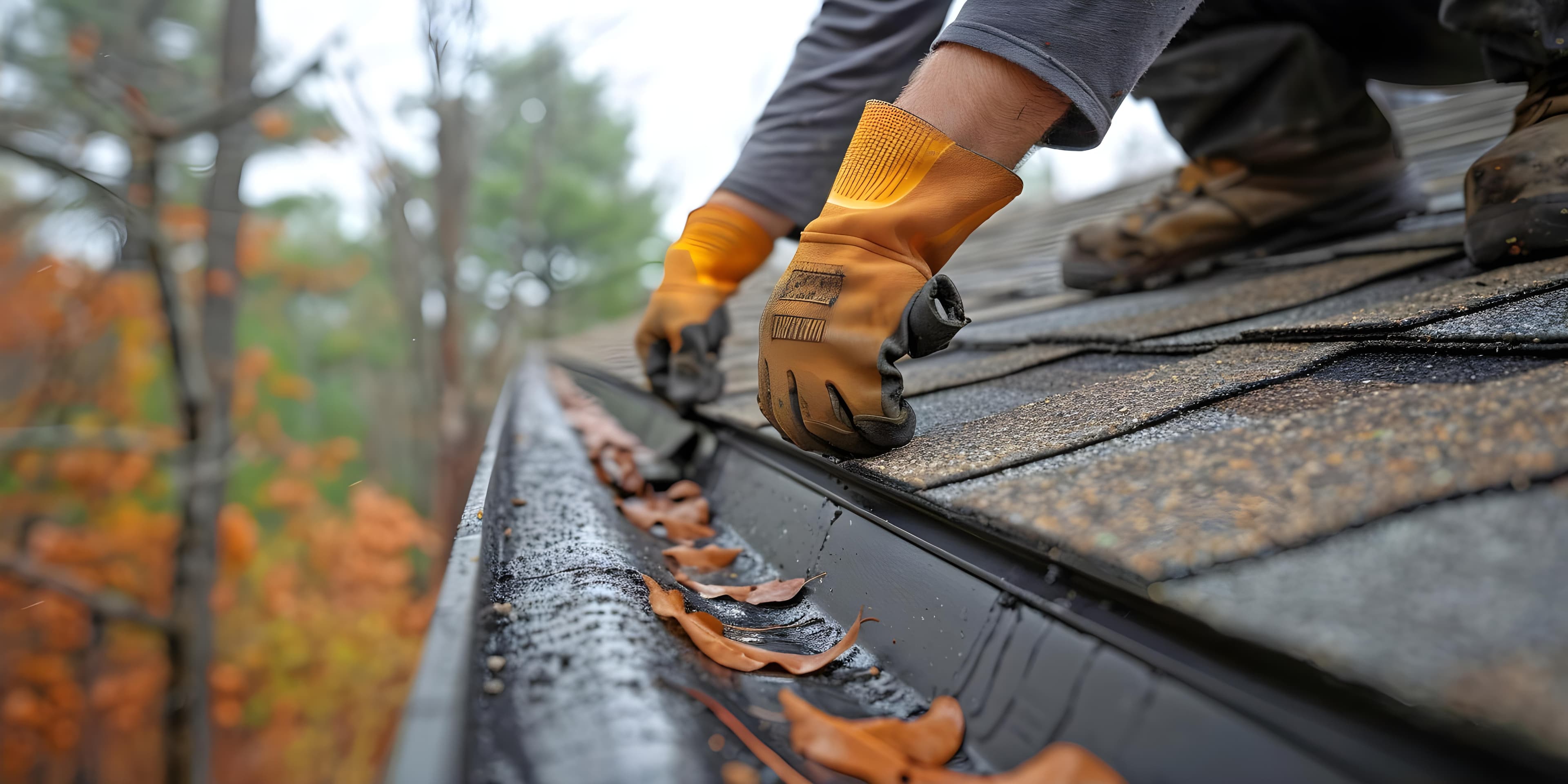
Bituminous Membrane
APP/SBS sheets torch-applied to flat roofs. Heat and UV resistant. Lasts 15–20 years with correct installation. Most common in villas and commercial roofs.
Polyurethane (PU) Coating
Seamless liquid-applied system. Covers irregular surfaces perfectly. Flexible in high temperatures. Ideal for terraces, balconies, and areas with complex shapes.
Cementitious Waterproofing
Affordable, cement-based solution for wet areas like bathrooms, water tanks, and basements. Easy to apply but less flexible than membrane systems.
GRP Lining
Glass-reinforced plastic used for water tanks and complex roof structures. Extremely durable and approved by Dubai Municipality for potable water tanks.
At Mekina, we also specialise in combo roof systems — a combination of insulation and waterproofing in one installation. This is increasingly popular in Dubai because it solves two problems at once: keeping water out and reducing heat transfer into the building, which also lowers your DEWA bills.
Learn about Combo Roof Systems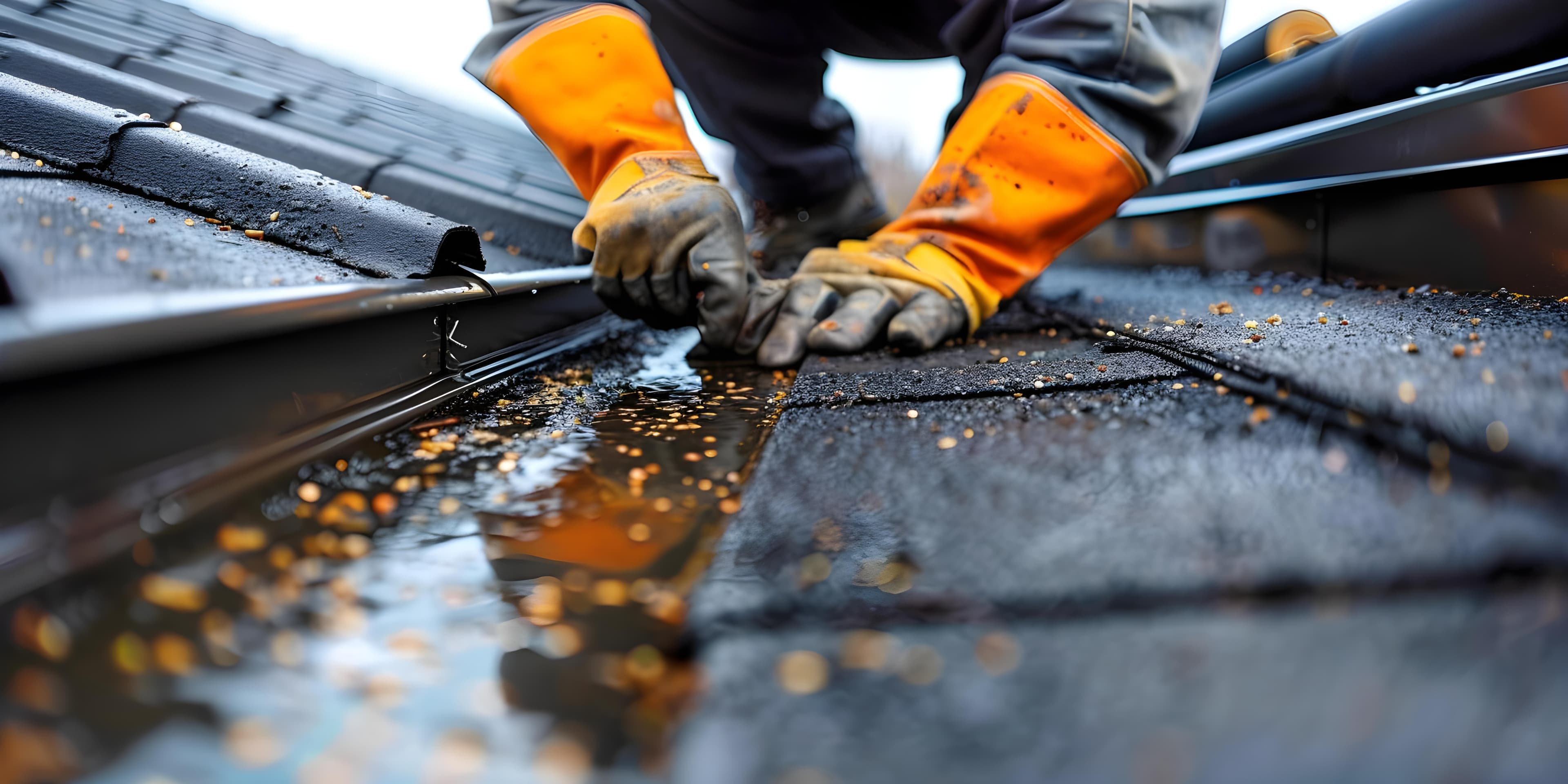
How does Dubai's weather damage roofs so fast?
Heat expands concrete, night cools it, and this daily movement opens micro-cracks over time. UV radiation breaks down surface sealants within a few years if the wrong product is used. When seasonal rain arrives, water finds every crack and joint it can. Once water gets below the surface layer, it travels along the concrete and can appear metres away from the original entry point — which is why finding the source of a leak without proper diagnostic tools is so difficult.
This is why waterproofing is not a one-time task. Systems need inspection every two to three years and full re-application every eight to fifteen years depending on the material and exposure.
Roof leaking vs. bathroom leaking — different problems, different solutions
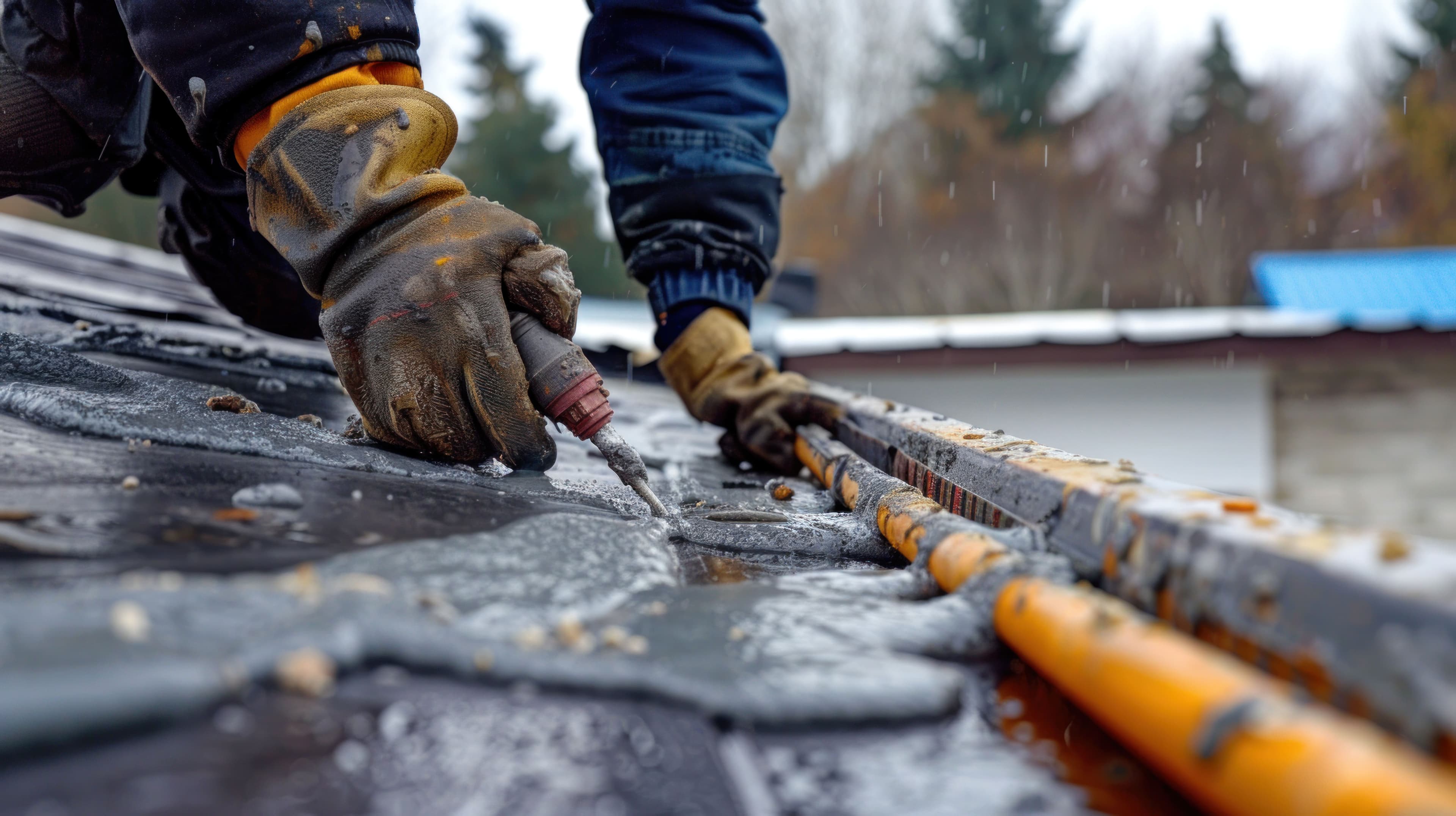
Roof leaks and bathroom leaks are both waterproofing failures, but they require completely different approaches. A roof leak often comes from membrane failure, cracked concrete, or joint deterioration around parapets, drains, or AC unit bases. A bathroom leak typically comes from failed tile grout, degraded sealant around fixtures, or the absence of a proper waterproof membrane beneath the tiles during original installation.
We have seen many cases where a bathroom on the fourth floor causes water staining on the ceiling of the third floor apartment below. The tenant below complains. The property manager calls the wrong contractor. Work gets done on the ceiling — cosmetically. Six months later, same problem. The fix was never below the tiles upstairs, which is where it always needed to be.
When should you call a waterproofing company in Dubai?
Do not wait for visible water. Call when you notice any of these warning signs:
- Damp patches or dark staining on ceilings or walls
- Paint is bubbling or peeling without obvious cause
- Musty smell in a room that is difficult to explain
- A crack appears in external or internal walls
These are all signs that water is already present somewhere it should not be. The earlier you catch it, the cheaper the fix.
Frequently Asked Questions
How long does waterproofing last in Dubai?
Can waterproofing be done without breaking tiles?
What is a combo roof system?
Is waterproofing required by Dubai regulations?
How do I know if my roof leak is serious?
Looking for a reliable technical service company in Dubai? Contact Mekina to explore our full range of MEP (HVAC, Electrical and Plumbing), Waterproofing, Automation (Home and Industrial) and facility maintenance solutions.